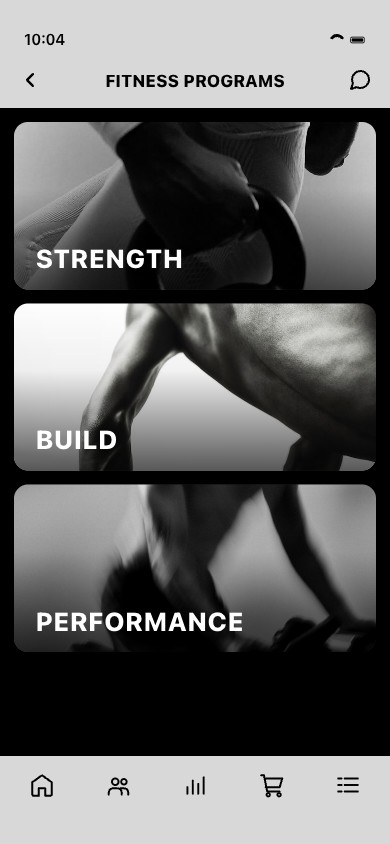
Strength based.·
Function focused.·
Performance driven.
LOAD with clinical precision.
Now every session is a negotiation with your body. Knee, hip, back, or shoulder — something is always flaring, and you don't know if you should push through it or stop entirely.
Physical therapy gave you eight weeks of band work and sent you home. Instagram gave you exercises with no progression logic. You're cycling between rest (pain returns) and push (injury re-flares).
Injury happens when load exceeds capacity. So the answer isn't rest. It's increasing capacity through highly specific input designed for highly specific outputs.
Strength is one of the greatest protectors against fragility, injury, and physical decline. A stronger body is generally a more capable and resilient body.
The goal is building a body that moves well, tolerates stress, stays adaptable and lasts long term. Training should improve quality of life, not break the body down.
We are chasing specific adaptations: more strength, more muscle, better movement, greater work capacity, improved athleticism, or increased resilience. Training should prepare you for something measurable and specific.
The exact amount of work needed to drive adaptations. 60-minute sessions including movement prep, joint function, strength, and accessories. Highly specific input designed for highly specific outputs.
Knee, hip, back, shoulder. Specific progressions organized and periodized so you can stop guessing and putting sessions together from random exercises on IG.
Intelligent injury programming progressions to continue increasing capacity beyond baseline.
Load by IOST · live on App Store + Google Play · organized by body part
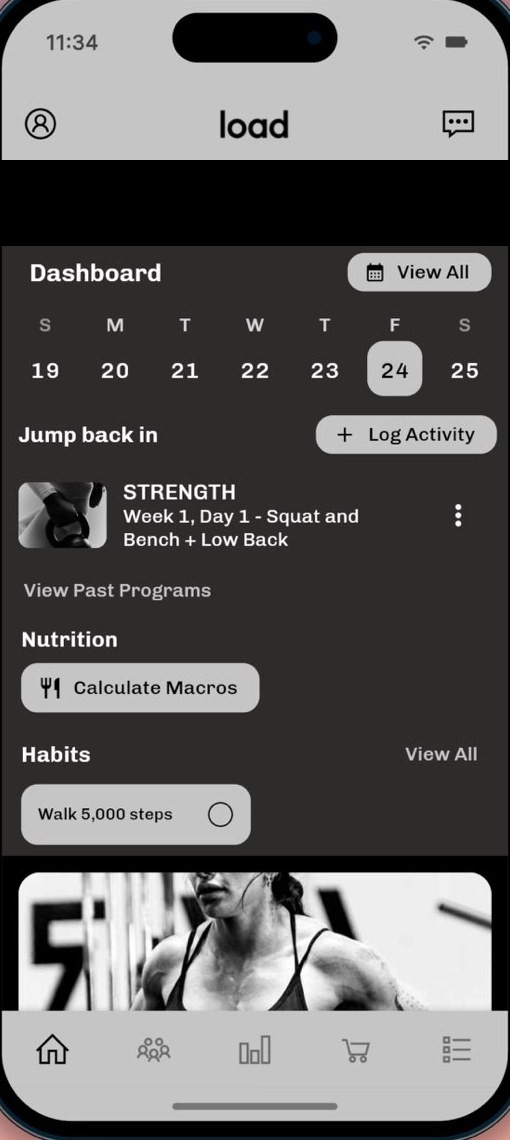
LOAD exists because the rehab industry tells injured people to rest while the training industry tells them to push. Both leave them stuck. I built this to be the bridge — clinical rehab science applied directly to strength training, organized by body part, progressed by load.
This is not a workout app. It is a clinical decision framework built into a training structure. The standard here is not completion. The standard is competence.
Periodized knee progressions built on the load-capacity mechanism. So you stop putting sessions together from random exercises on IG.
Hip-specific load progressions that increase capacity and return function — not just reduce symptoms.
Periodized back programming built on the mechanism of pain, not avoidance of it.
Clinical shoulder progressions that restore output without re-flaring the injury.
Performance programs that train specific adaptations — more strength, more muscle, better movement, greater work capacity — once your baseline is established.
Targeted mobility work organized by joint. Specific input for specific tissue, not generic stretching.
Clinical support access so your next decision has a defensible answer behind it, not a guess.
Track your capacity over time and train alongside others who are building back, not waiting it out.